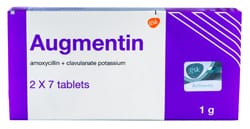
Buy Augmentin Online: Best Prices and Fast Shipping
How Augmentin Works Against Bacterial Infections
Think of a bacterial infection like a fortified castle. The bacteria build thick, sturdy walls to protect themselves from invaders. Without a way to breach these defenses, your immune system might struggle to win the war. This is where the penicillin family begins to work within your bloodstream.
Augmentin is a dual-action powerhouse. Its primary component, amoxicillin, acts like a specialized battering ram. It targets the cell walls of bacteria, preventing them from building the structural integrity they need to survive. As the walls crumble, the bacteria essentially leak out and perish, unable to hold their shape against the internal pressure.
However, bacteria are clever. They often develop “shields” called beta-lactamase enzymes. These enzymes can intercept and destroy amoxicillin before it even touches the cell wall. It is a classic case of a defender meeting a clever counter-measure. This is where the second ingredient, clavulanic acid, steps onto the battlefield.
Clavulanic acid acts as a decoy or a sacrificial guard. It binds to those pesky beta-lactamase enzymes, essentially “handcuffing” them so they cannot attack the amoxicillin. By neutralizing the enemy’s defense mechanism, clavulanic acid ensures the amoxicillin can do its job without being intercepted mid-flight during the fight.
The Mechanism of Action
To visualize this process, imagine a busy city street where the police (amoxicillin) are trying to stop a group of thieves. The thieves have hired professional saboteurs (beta-lactamase) to disable the police cars before they arrive. It is a high-stakes game of cat and mouse happening at a microscopic level.
The synergy between these two drugs is what makes the combination so formidable. When the clavulanic acid neutralizes the enzymes, it clears a golden path for the amoxicillin. This “one-two punch” approach allows the medication to tackle strains that would otherwise be completely immune to standard penicillin treatments.
When doctors prescribe this combination, they are essentially sending in a specialized task force. They aren’t just sending soldiers; they are sending soldiers equipped with shields to protect against the enemy’s traps. This strategic deployment is why the drug remains a cornerstone in treating various respiratory and skin infections.
The effectiveness of this mechanism can vary depending on the specific strain of bacteria. While it is incredibly potent against many common invaders, some bacteria have evolved even more complex ways to survive. It is an ongoing arms race between modern medicine and the ever-evolving microbial world.
| Component | Primary Role | Analogy |
| Amoxicillin | Destroys bacterial cell walls | The Battering Ram |
| Clavulanic Acid | Inhibits bacterial enzymes | The Decoy Guard |
Factors Influencing Treatment Success
Timing is everything when you are fighting a biological war. Taking the medication at the prescribed intervals keeps the concentration of the drug steady in your system. If you skip a dose, the bacteria might catch their breath and begin rebuilding their defenses, making the infection much harder to squash.
The severity of the infection also plays a massive role in how the drug behaves. A deep-seated sinus infection requires a different level of persistence than a minor skin scrape. Your body’s overall immune strength acts like the backup infantry, supporting the medication as it works to clear the infection.
It is also vital to finish the entire course, even if you start feeling like a superhero after two days. Stopping early is like leaving a few enemy soldiers alive in the shadows; they can multiply and return with a vengeance. You want to ensure the job is finished completely and thoroughly.
- Consistency: Maintaining steady blood levels is critical for success.
- Adherence: Completing the full course prevents bacterial resistance.
- Synergy: The combination works best when the enzymes are neutralized.
- Immunity: Your body provides the necessary support for the drug.
Standard Dosage Protocols and Timing
Getting the timing right is like setting a rhythm for an orchestra. If the conductor misses a beat, the entire performance falls apart. Similarly, when you take your medication, you are trying to maintain a steady “tide” of the drug in your bloodstream to keep the bacteria constantly under siege.
Doctors typically prescribe doses based on the specific type of infection being fought. A stubborn ear infection requires a more aggressive approach than a simple skin irritation. It is not a one-size-fits-all scenario; rather, it is a tailored strategy designed to match the intensity of the microbial invasion.
Most adults will find themselves taking the pills twice or three times a day. Skipping a dose is like opening a gate for an invading army; it gives the bacteria a chance to regroup and potentially develop even stronger defenses. You want to stay ahead of them, always keeping the pressure on.
Consistency is your best friend in this battle. If your doctor says to take it every twelve hours, try to stick to that schedule like glue. This prevents the levels of the drug from dipping too low, ensuring that the amoxicillin is always ready for action.
Managing Your Schedule
Many patients find it helpful to tie their doses to daily habits, such as brushing teeth or eating breakfast. This creates a mental trigger that prevents the medication from slipping through the cracks of a busy lifestyle. It is all about building a routine that supports your healing process.
It is also wise to consider how the medication interacts with your stomach. Taking it at the start of a meal can often mitigate the common side effects like nausea. Think of food as a buffer that protects your digestive lining while the medicine goes to work on the infection.
If you happen to miss a dose, don’t panic, but don’t try to double up either. Doubling up is like trying to force-feed a guest; it usually leads to an upset stomach and won’t actually help the medicine work any better. Just get back on track with your next scheduled dose.
Always keep a log if you find yourself struggling with memory. A simple checkmark on a calendar can be the difference between a quick recovery and a prolonged struggle. Being proactive about your schedule shows that you are taking charge of your own biological warfare.
Understanding the cost of different prescription strengths and quantities can help you plan your pharmacy trips more effectively. Here is a breakdown of some common ways these medications are packaged and priced.
| Prescription Type | Quantity | Estimated Cost |
|---|---|---|
| Standard Course | 20 Tablets | $35 |
| Extended Course | 45 Tablets | $62 |
| Bulk Supply | 90 Tablets | $110 |
| Pediatric Liquid | 100 ml | $42 |
The Importance of Completion
One of the biggest mistakes people make is stopping the medication as soon as they feel “fine.” This is a dangerous trap. Just because the symptoms have vanished doesn’t mean the bacteria have been totally wiped out; some of the most resilient survivors may still be lurking.
Think of it like weeding a garden. You might pull the visible weeds above the surface, but if you leave the roots, they will grow back even stronger. Finishing the entire course ensures that every last “root” of the infection is destroyed, leaving no survivors to cause trouble later.
When you stop too early, you are essentially training the bacteria. The ones that survived were the toughest and most resistant to the drug. By exposing them to lower doses, you are teaching them how to survive the next time you take the medicine, leading to antibiotic resistance.
Your healthcare provider has calculated the duration based on clinical data and the severity of your case. Respecting that timeline is vital for a full recovery. It might feel tedious to take pills when you feel energetic, but patience is a key ingredient in the healing process.
- Timing: Keep intervals consistent to maintain drug levels.
- Food: Taking with meals can reduce stomach upset.
- Completion: Finish the full course to prevent resistance.
- Observation: Watch for any unusual rashes or allergic reactions.
Current Market Pricing for Augmentin
Walking into a pharmacy can sometimes feel like stepping into a high-stakes marketplace. You might expect a straightforward transaction, but the price tag on your prescription can vary wildly depending on several moving parts. It is not uncommon to see a significant gap between what one neighbor pays and what another pays for the exact same pill.
Insurance companies play a massive role in this financial dance. If you have a robust plan, your out-of-pocket cost might be a mere handful of dollars. However, if you are paying full retail price without coverage, you might find your wallet feeling a bit lighter than you anticipated during your last visit.
Generic versions of the medication are often a silver lining for those watching their budget. Since the patent has long since expired, many manufacturers produce the combination of amoxicillin and clavulanate. These generics are typically much more affordable than the brand-name alternative, making them a popular choice for cost-conscious patients.
It is worth noting that prices fluctuate based on regional supply and demand. In a small town with one pharmacy, you might see different rates than in a large metropolitan area. Shopping around or using price-comparison tools can be a real lifesaver when you are trying to keep your medical expenses under control.
Factors Influencing Your Total Cost
The strength of the dosage is a major driver of the final bill. A higher milligram dose or a more concentrated liquid for children often carries a premium. It is a bit like buying coffee; the larger the bag, the more you pay upfront, even if the price per ounce is lower.
Pharmacy benefits management also enters the fray. Some insurance providers have “preferred pharmacies” where your co-pay is significantly lower. If you ignore these suggestions and go to a local boutique drugstore, you might find yourself paying a steep premium just for the convenience of location.
The number of days your doctor prescribes the treatment also shifts the needle. A short three-day burst for a minor sinus issue will cost much less than a ten-day regimen for a more stubborn infection. Always ask your pharmacist if there are different ways to package your specific dose to save money.
Lastly, the timing of your refill can impact your spending. Some insurance plans have tiered pricing structures that change throughout the year. If you can time your refills strategically, you might catch a window where your co-insurance is more favorable to your bank account.
| Variable Factor | Impact on Price | Estimated Variation |
| Generic vs. Brand | High | $20 – $150+ |
| Insurance Co-pay | Variable | $5 – $60 |
| Dosage Strength | Moderate | $10 – $40 |
If you find yourself facing an unexpected bill, do not simply walk away in frustration. Most pharmacies have a “cash price” that is sometimes lower than what your insurance dictates. It is a strange quirk of the system, but it can occasionally save you a significant amount of money.
You can also look into manufacturer coupons or discount cards. While less common for older generics, they can still be a hidden gem for certain combinations. It never hurts to ask, “Is there any way to lower this cost?” before you hand over your credit card at the counter.
Ultimately, being an informed consumer is your best defense against high costs. Keep a folder of your previous receipts so you can track price changes over time. Knowledge is power, especially when it comes to navigating the complex and often confusing world of prescription drug pricing.
Navigating Online Pharmacy Purchases and Shipping
The internet has turned the pharmaceutical market into a vast, digital wilderness. While it offers the convenience of a few clicks, it also requires a sharp eye to avoid pitfalls. It is tempting to chase the lowest price on a glowing screen, but remember that cheap can sometimes be quite costly if the product is counterfeit.
Think of online shopping like buying a car from a stranger on a street corner. You wouldn’t hand over a stack of cash without seeing the paperwork first. The same logic applies to your health. Always verify that the website is a legitimate, licensed entity before you enter your credit card details into a random web form.
Many people find themselves caught in a rabbit hole of competing offers. Some sites promise lightning-fast delivery, while others seem to operate from a different time zone entirely. It is vital to understand that speed often comes with a price tag, and the cheapest option might take weeks to arrive at your door.
You might encounter websites that look incredibly professional, complete with testimonials and high-resolution imagery. However, a polished interface does not guarantee medical integrity. If a site offers a prescription-strength antibiotic like Augmentin without requiring a valid script from your doctor, you are likely walking into a trap.
Verifying Legitimacy and Safety
The most important rule of thumb is to look for the “VIP” stamp of approval. In the United States, the Digital Pharmacy Accreditation is a gold standard. If a site doesn’t display a seal from the National Association of Boards of Pharmacy, you should treat it with a healthy dose of skepticism.
I once knew a patient who tried to save $30 by using an unverified overseas site. The pills arrived in a plain, unbranded baggie, and they were nothing more than chalky, ineffective tablets. It was a hard lesson: when it comes to antibiotics, the deal isn’t worth the risk of a worsening infection.
Always check for a physical address and a working phone number on the website. A company that hides its contact information is usually hiding something else. If you cannot reach a real person when you have a question about your shipment, you will be left stranded when your medication fails to arrive.
Check for the presence of a pharmacist on staff. A legitimate online pharmacy will have a licensed professional who can answer your questions regarding side effects or interactions. If the website feels more like a generic retail store than a medical facility, your instincts are likely telling you the truth.
Shipping Logistics and Costs
Shipping is the final hurdle in the online procurement process. It is not just about the cost of the postage; it is about the integrity of the delivery. Some medications require strict temperature controls to remain effective. If a package sits on a hot porch for three days, the medicine might be useless by the time you open it.
You will often see a menu of shipping options ranging from “Standard” to “Express.” Standard shipping might cost you $5, but it could take ten business days. Express shipping can jump to $25 or more. If you are currently battling an acute infection, that extra investment in speed is often worth every penny.
Be mindful of the “hidden” costs associated with international shipping. You might see a low price for the medication, but once it clears customs, you could be hit with unexpected import fees. It is better to pay a little more upfront to a domestic pharmacy than to deal with customs delays and extra charges.
Tracking your package is a non-negotiable requirement. Never settle for a site that provides no way to monitor your shipment’s progress. Knowing exactly where your medicine is—whether it is in a sorting facility or out for delivery—provides much-needed peace of mind during a stressful illness.
| Shipping Type | Estimated Cost | Typical Transit Time |
| Standard Ground | $5 – $12 | 5 – 10 Days |
| Expedited Air | $20 – $45 | 2 – 3 Days |
| Overnight Delivery | $50+ | 1 Day |
Potential Side Effects and Safety Precautions
Taking a powerful antibiotic like Augmentin is a bit like hiring a heavy-duty construction crew to fix a leaky faucet. They are incredibly effective at getting the job done, but they can be a little messy while they work. Most people manage just fine, but you should always be prepared for some collateral damage.
The most frequent complaints usually involve the digestive system. It is not uncommon to feel a bit “off” or experience nausea shortly after taking your dose. For some, this might escalate to mild diarrhea or stomach cramps. Think of it as your body’s internal ecosystem adjusting to the new, aggressive inhabitants.
If you experience severe, watery, or bloody diarrhea, stop everything and call your doctor immediately. This could be a sign of a much more serious condition known as *C. difficile*. While rare, it is something you cannot afford to ignore. It is better to be safe than sorry when your gut is on the line.
Some individuals might notice a mild skin rash or itching. While a small patch of redness might just be a nuisance, any swelling of the face or difficulty breathing is a massive red flag. If you feel like your throat is tightening, don’t wait; head to the emergency room right away.
Common Reactions and Sensitivities
Allergic reactions are the elephant in the room when discussing penicillin-based medications. Some people are born with a sensitivity that makes Augmentin a dangerous choice. If you have a history of hives or anaphylaxis from similar drugs, you need to be incredibly cautious about how you proceed.
It is vital to disclose your entire medical history to your healthcare provider. Do not assume they know everything about your past allergies. A simple misunderstanding regarding a previous reaction could lead to a very unpleasant situation once the medication enters your bloodstream and starts working.
I once saw a patient who thought a mild itch was just “dry skin” caused by their fever. Within hours, they were facing a much more systemic reaction. Never play the guessing game with your immune system. If something feels fundamentally wrong, trust your gut and seek professional medical advice immediately.
Common side effects often include the following:
- Nausea or upset stomach
- Diarrhea or loose stools
- Vomiting
- Oral thrush or vaginal yeast infections
- Mild skin rashes or itching
Safety Protocols and Interactions
Medication safety is a two-way street. While your doctor prescribes the dose, you are responsible for the delivery. This means you shouldn’t skip doses or decide to stop early just because you start feeling better. Stopping a course of antibiotics prematurely is like leaving a fire half-extinguished; the embers can reignite.
Be mindful of what else is in your medicine cabinet. Augmentin can play “tug-of-war” with other substances. For instance, taking it alongside oral contraceptives might reduce the effectiveness of your birth control. It is a small detail that can have a very large impact on your long-term health planning.
Watch out for interactions with blood thinners like warfarin. Antibiotics can sometimes alter how your body processes these medications, potentially increasing your risk of bleeding. Always maintain an updated list of supplements and over-the-counter pills to share with your pharmacist during every single consultation.
When managing your regimen, keep these safety tips in mind:
| Precautionary Step | Reason for Action |
| Complete the full course | Prevents antibiotic resistance |
| Take with food | Reduces nausea and stomach upset |
| Monitor for rashes | Early detection of allergic reactions |
| Check birth control | Ensures contraceptive effectiveness |
Comparing Augmentin to Other Antibiotics
Choosing the right tool for a job is everything. If you have a simple splinter, you wouldn’t reach for a sledgehammer, right? Similarly, antibiotics are not one-size-fits-all solutions. Doctors weigh the specific bacteria against the patient’s history before deciding if a broad-spectrum powerhouse is actually necessary for the task at hand.
Augmentin belongs to a class of medications that plays a “double game.” It combines amoxicillin with clavulanate to outsmart bacteria that have learned to hide. This makes it a heavy hitter compared to simpler, single-ingredient drugs. It is designed to break down the defenses that other antibiotics might find completely impenetrable.
However, this extra strength comes with a trade-off. While a narrower antibiotic might leave your gut flora mostly untouched, Augmentin’s aggressive nature can be a bit of a wrecking ball. You are essentially trading a targeted strike for a wide-range bombardment, which is why the side effect profile often feels more intense.
The Spectrum of Effectiveness
When we look at the landscape of antibiotics, we see everything from “specialists” to “generalists.” A specialist antibiotic, like Azithromycin, is like a sniper; it targets specific types of bacteria with precision. It is often the go-to for respiratory issues where the culprit is well-known and predictable.
Augmentin, on the other hand, is more like a tactical unit. It is incredibly versatile, covering a wide range of Gram-positive and Gram-negative organisms. This versatility makes it a primary choice for sinus infections, animal bites, or skin infections where the exact “enemy” is still a bit of a mystery.
If a doctor prescribes a single-drug antibiotic like Amoxicillin alone, they are betting that the bacteria haven’t developed resistance. If they prescribe Augmentin, they are playing it safe. They are adding that clavulanate “shield-breaker” to ensure the infection doesn’t simply shrug off the medication like a bad cold.
Consider these common comparisons in a clinical setting:
- Augmentin vs. Amoxicillin: The former includes a resistance-fighter, making it much harder for bacteria to survive.
- Augmentin vs. Azithromycin: Azithromycin is often gentler on the stomach but may fail against certain resistant strains.
- Augmentin vs. Cephalosporins: Cephalosporins offer a different chemical structure, often used if a penicillin allergy is present.
Cost and Accessibility Factors
Money is always a factor when managing your health. Prices can fluctuate wildly depending on whether you are picking up a generic brand or a name-brand version at the local pharmacy. It is a bit like buying milk; sometimes you pay for the fancy label, and sometimes you get the same quality for less.
For many, the generic version of Augmentin is the most economical route. You might find a 10-day supply of generic amoxicillin-clavulanate for around $25 to $45. However, if you are looking at brand-name options or specialized formulations, that number can climb significantly higher, potentially exceeding $150 depending on your insurance coverage.
Always ask your pharmacist for the “best price” option. They are often more helpful than you might think. Sometimes, switching to a different antibiotic that is on a preferred insurance list can save you a significant amount of money while still treating the underlying infection effectively.
Estimated price ranges for common antibiotic treatments:
| Medication Type | Estimated Generic Cost | Estimated Brand Cost |
| Augmentin (Amoxicillin/Clavulanate) | $30 – $60 | $150 – $250+ |
| Azithromycin (Z-Pak style) | $15 – $40 | $80 – $130 |
| Amoxicillin (Standard) | $10 – $30 | $60 – $100 |
Contact & directions
Address:
4332 University Boulevard South,
Jacksonville, FL 32216, USA